

Neck stiffness is common, but pain travelling into an arm, tingling in the fingers or loss of hand coordination deserves a closer look. Cervical spondylosis refers to age-related changes in the discs and joints of the neck. These changes are common on scans and do not always cause symptoms, so assessment must connect the imaging with the person’s experience.
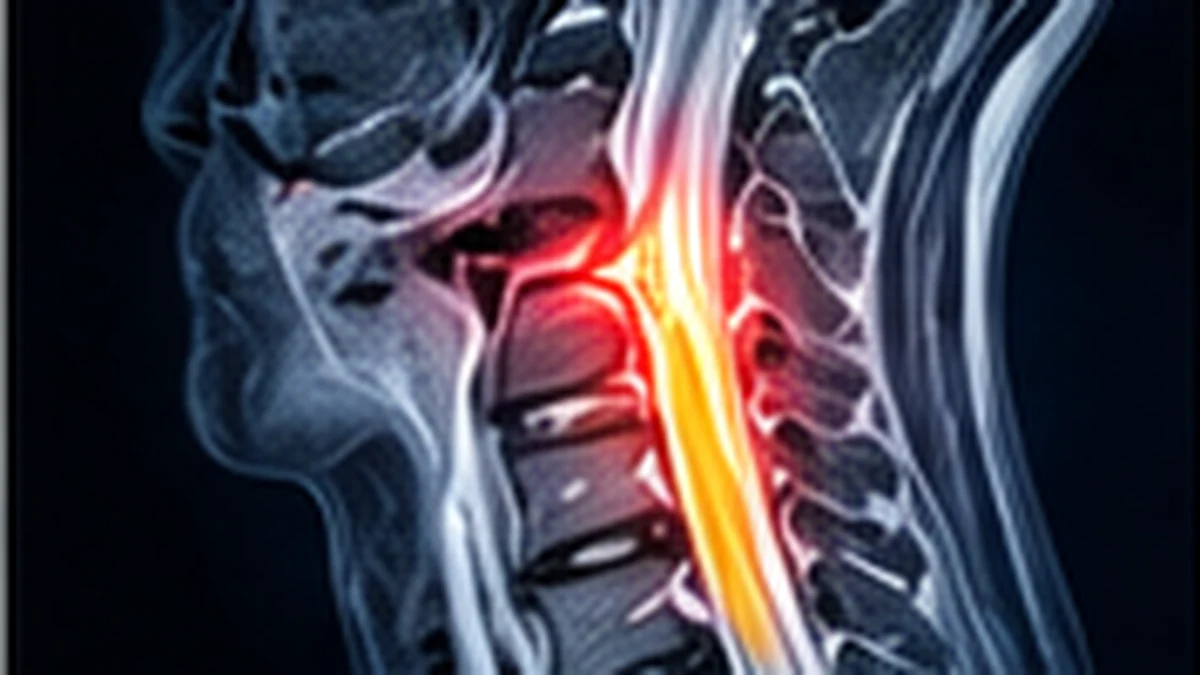
Key points
- Cervical spondylosis is a description of neck changes, not automatically a dangerous disease.
- Arm pain or numbness may arise from an irritated nerve, but other causes must be considered.
- New hand clumsiness, balance changes or progressive weakness need prompt assessment.
- Do not assume every neck symptom is caused by posture or use forceful neck manipulation without assessment.

What is cervical spondylosis?
The cervical spine contains seven vertebrae that support the head and protect the spinal cord. Discs between the vertebrae help absorb load, while small joints guide movement. Over time, discs may lose height and flexibility, joints may develop arthritic changes and bony spurs may form. These changes are often described as cervical spondylosis. They can occur with normal ageing and may be present in people who have no pain at all. Symptoms arise when a structure becomes painful or when space for a nerve root or the spinal cord is reduced. The term itself does not tell us whether the condition is mild, severe or responsible for a particular symptom. A clinician needs to consider pain distribution, strength, sensation, reflexes, hand function and balance. The aim is to distinguish ordinary mechanical neck pain from nerve irritation or spinal cord involvement, because those situations can require different levels of urgency and treatment.
Common symptoms and what they can mean
Symptoms may include stiffness, discomfort at the base of the skull, pain around the shoulder blade or pain that travels down one arm. Tingling or numbness can affect part of the hand or specific fingers, depending on the nerve involved, although real-life patterns are not always textbook-perfect. Some people notice symptoms worsen when looking up, turning the head or holding one position for a long time. Muscle tension can accompany pain, but severe or persistent symptoms should not automatically be blamed on stress. Weak grip, dropping objects, difficulty fastening buttons or changes in handwriting deserve attention, particularly when they are new or progressive. Pain, numbness and weakness are different symptoms and should be described separately. Mention whether one or both arms are affected, whether walking feels different and whether there are electric-shock sensations down the body when bending the neck. These details can help the clinician decide what to examine and whether imaging is needed.
Nerve-root irritation versus spinal cord compression
A cervical nerve root exits the spine and carries signals to parts of the arm and hand. If the root is irritated, symptoms may include radiating arm pain, tingling, altered sensation or weakness in selected muscles. This is often called cervical radiculopathy. The spinal cord is the main pathway connecting the brain with the body. When it is compressed, symptoms may extend beyond one nerve pattern and can include clumsy hands, balance problems, changes in walking or symptoms affecting both sides. This is sometimes described as cervical myelopathy and needs careful assessment. Not everyone with a narrow-looking canal has clinical spinal cord dysfunction, and not every hand symptom is caused by the neck. Peripheral nerve compression, shoulder conditions and other neurological problems can mimic cervical disease. Do not try to diagnose yourself from a symptom chart. New or worsening coordination, gait or strength changes should be discussed promptly, with emergency care for rapidly progressing deficits or other serious warning signs.
Why cervical changes develop
Age is one factor, but the course of cervical spondylosis differs between individuals. Disc hydration and height change over time, joints experience repeated loading and bone spurs may develop as part of the body’s response. Previous injury, smoking, some occupational demands and general health may influence spinal health, but a single activity rarely explains the whole picture. Long periods in one position can aggravate symptoms without necessarily causing permanent structural damage. There is no single “perfect posture” that prevents all neck pain, and people should not be made to feel that normal daily movement has ruined their spine. Regular activity, appropriate strength work, sleep and sensible work habits can support general function. If symptoms are persistent, recurrent or associated with neurological changes, assessment is more useful than repeatedly changing pillows or buying posture gadgets. A clinician can help identify which factors are relevant and which claims are simply marketing dressed up as medical certainty.
How diagnosis is made
The consultation begins with a history of pain, numbness, weakness and functional change. The clinician may ask about injury, fever, previous cancer, recent infection, medicines and other health conditions. Examination can include neck movement, shoulder assessment, arm strength, sensation, reflexes, hand dexterity and walking. These findings help determine whether symptoms fit a nerve-root pattern or suggest spinal cord involvement. X-rays can show alignment and some bony changes; MRI provides more detail about discs, nerves and the spinal cord. Imaging is not necessary for every brief episode of neck pain. It becomes more relevant when symptoms persist, significant neurological findings are present or the result is likely to alter treatment. Bring prior images if you have them, not just the written report. The clinician should explain what the image does and does not show and how it fits the examination. This avoids treating incidental age-related changes that may not be the source of symptoms.
Non-surgical treatment
For uncomplicated neck pain or selected cases of nerve irritation, care may begin with education, activity adjustment, clinician-advised medication and physiotherapy. Treatment often aims to maintain comfortable movement, improve endurance and strengthen the muscles that support daily tasks. A therapist may use graded mobility and strengthening, with the programme adjusted to symptoms and examination findings. Avoid forcing stretches or continuing exercises that produce new weakness, increasing numbness or severe radiating pain. Medication choices depend on other conditions and possible interactions; do not borrow prescriptions or combine over-the-counter products without checking their ingredients. Heat or cold may provide short-term comfort for some people, but neither is a cure for nerve compression. Prolonged immobilisation is rarely a useful default for ordinary neck pain unless a clinician has identified a specific reason. The best plan is one that is safe, measurable and realistic for the person’s work and home routine.
Workstation, phone use and sleep
Work habits can influence how often symptoms flare, although ergonomics cannot reverse every structural change. Keep frequently used screens at a comfortable height, support the forearms where practical and change position regularly. Holding a phone between the shoulder and ear for long periods may aggravate discomfort; use a headset when appropriate. Short movement breaks are usually more achievable than trying to maintain a rigid posture all day. Choose a pillow that keeps the neck comfortable rather than assuming that the most expensive or highly advertised product is medically necessary. Some people prefer side sleeping with the head supported in line with the trunk; others are comfortable on their back. If a position reliably worsens arm symptoms, adjust it and discuss persistent problems with a clinician. Avoid aggressive self-manipulation or having the neck “cracked” by an unqualified person, especially when neurological symptoms are present. Changes should reduce strain without creating fear of ordinary movement.
When injections or other procedures may be discussed
If radiating arm pain remains severe despite suitable conservative treatment, a specialist may discuss selected injection-based options after reviewing the diagnosis and risks. The expected benefit varies, and injections are not appropriate for every cause of neck pain. The clinician should explain the target, purpose, alternatives, possible complications and how the result would affect the next step. Procedures near the cervical spine require careful risk discussion because important nerves and blood vessels are nearby. A treatment should not be recommended merely because an MRI contains technical terminology. If the spinal cord is compressed and there are signs of myelopathy, the management discussion may be different from that for pain alone. Ask the clinician to explain whether the goal is symptom relief, prevention of further neurological decline or another specific outcome. Be wary of anyone who guarantees a result or claims a procedure is risk-free.
When cervical spine surgery may be considered
Surgery may be considered for selected patients with spinal cord compression, progressive neurological deficit or persistent disabling symptoms that match a surgically treatable source. The exact operation depends on where compression occurs, the number of levels involved, alignment, stability and overall health. There is no one operation that suits every person with cervical spondylosis. The surgeon should explain which symptoms the procedure is expected to address, the likely recovery process, important risks and what may not improve. Numbness can take time to recover and may not completely resolve if nerve injury has been longstanding. Surgery also has risks, including infection, bleeding, nerve or spinal cord injury and procedure-specific complications. The decision should be based on the full clinical picture and the patient’s goals, not fear generated by an MRI report. If advice is unclear and the situation is not urgent, seeking a second specialist opinion can help clarify the options.
Warning signs: when not to wait
Seek urgent medical assessment for new or rapidly worsening arm or leg weakness, new difficulty walking, repeated falls, loss of hand coordination that is progressing, or symptoms affecting both arms and legs. Emergency assessment is needed for major trauma, severe neurological deterioration or other acute concerning symptoms. Neck pain with fever, recent serious infection, a history of cancer or unexplained weight loss also requires prompt medical review. If bladder or bowel function changes alongside spinal symptoms, treat it as an emergency. These signs do not confirm one diagnosis, but they can indicate conditions in which delay is unsafe. Do not wait for a routine physiotherapy appointment or try to manage significant neurological changes with massage alone. Describe when symptoms began and how quickly they changed, and bring medication and imaging information if available.
Preparing for a consultation in Kharghar and Navi Mumbai
For a neck-pain or cervical spondylosis consultation in Kharghar or Navi Mumbai, write down the location of pain, which fingers feel numb, whether grip or coordination has changed and which tasks are difficult. Bring scan reports and images, a medication list and details of previous treatment. Ask whether the examination suggests a nerve-root problem, spinal cord involvement or another cause. Ask what signs should trigger urgent reassessment and whether imaging would change the plan. If a procedure is proposed, request a plain-language explanation of the target, expected benefits, risks and alternatives. Good care is a shared decision: the clinician contributes medical assessment and experience, while the patient explains goals, concerns and practical constraints. A clear plan should include what to do now, how progress will be judged and when to return if symptoms fail to improve or become worse.
Frequently asked questions
No. Neck changes are common on imaging and may not cause symptoms. The clinician must assess whether the findings fit the person’s symptoms.
It can irritate a nerve root and cause arm pain, tingling or numbness, but peripheral nerve and other conditions can produce similar symptoms.
An individualised physiotherapy plan may help selected patients. Exercises should be modified if they cause new weakness, worsening numbness or severe radiating pain.
New hand clumsiness, balance changes, walking difficulty or progressive weakness need prompt clinical assessment.
Seek urgent help for significant neurological changes, major trauma, fever with concerning symptoms, or bladder and bowel changes with spinal symptoms.
Questions about your spine symptoms?
Arrange a consultation to discuss symptoms, examination findings and available treatment options with the clinic team.
Educational information only; this page does not replace an individual medical assessment. Medical information is provided for general education and does not replace an individual clinical assessment.