
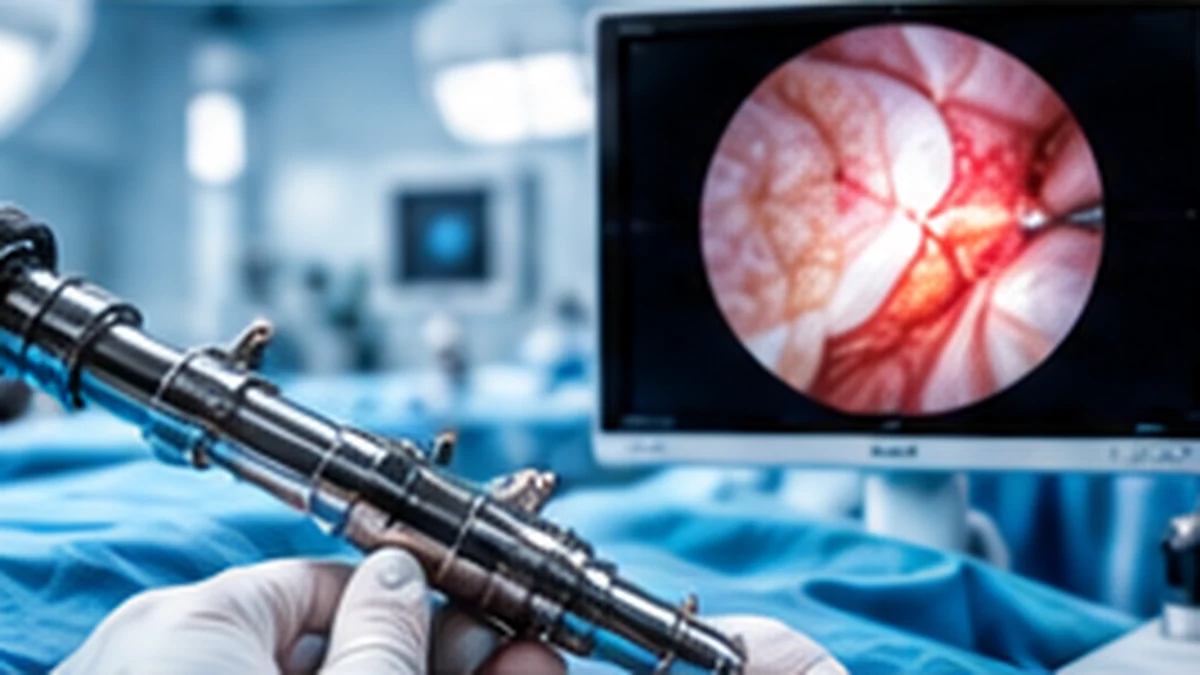
Endoscopic spine surgery uses a small camera and specialised instruments through a narrow access route to treat selected spinal problems. It can reduce the size of the incision for appropriate procedures, but “minimally invasive” does not mean risk-free, suitable for everyone or guaranteed to produce faster recovery. The diagnosis and surgeon’s experience matter more than the label.
Key points
- Endoscopic surgery is a technique, not a diagnosis or a universal solution.
- Suitability depends on the exact problem, anatomy, symptoms and clinical findings.
- Small incisions do not remove the usual need for rehabilitation and follow-up.
- Ask about alternatives, surgeon experience, risks and what recovery is likely to involve.
What is endoscopic spine surgery?
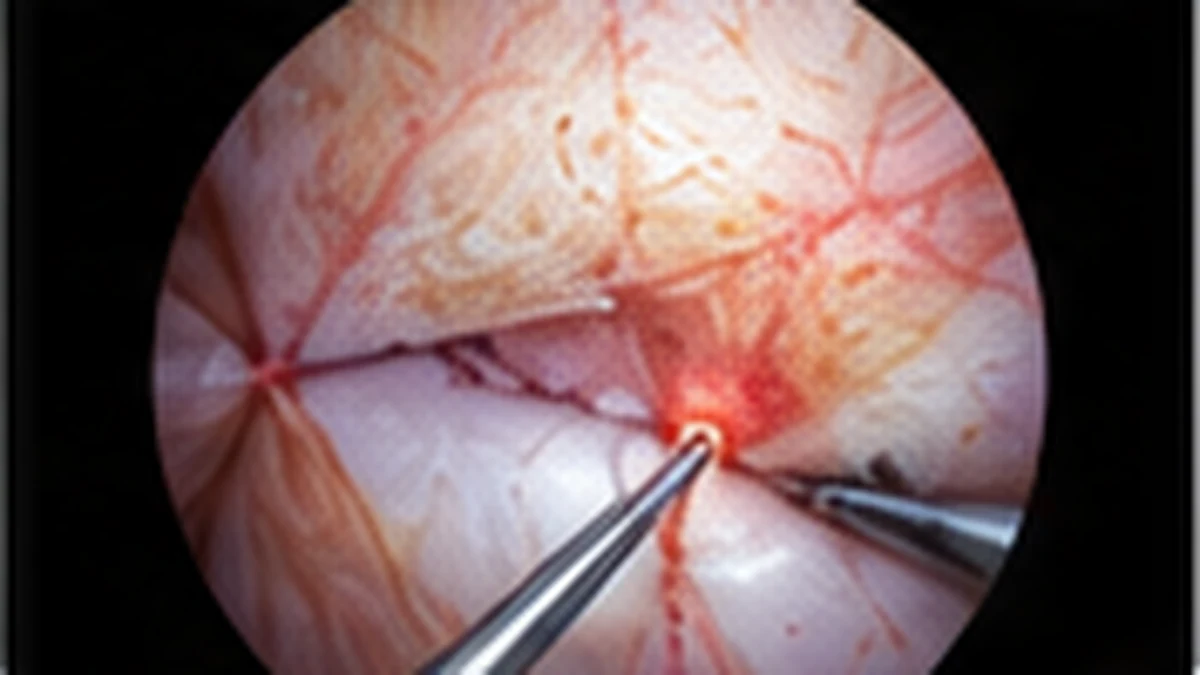
Endoscopic spine surgery uses a slender camera, light source and specialised instruments inserted through a small incision to reach a targeted area. The surgeon views the operative field on a monitor and works through a narrow access channel. Depending on the diagnosis, the aim may be to remove a portion of herniated disc material or relieve pressure on a nerve. The term “endoscopic” describes how the surgeon reaches and views the area; it does not identify the condition being treated. Different endoscopic procedures vary in their approach, instruments and indications. Some spinal problems can be managed this way, while others may require a different minimally invasive technique or a conventional operation. A small incision is only one part of the overall result. The important questions are whether the procedure can safely address the actual source of symptoms and whether its expected benefits outweigh its risks for that individual.
Which conditions may be suitable?
Endoscopic techniques may be considered for selected cases of disc herniation causing nerve-root symptoms and for certain forms of nerve decompression. Suitability depends on the location and shape of the problem, the level involved, spinal stability, previous operations and the person’s health. A finding that looks straightforward on one scan may be technically difficult because of its position or surrounding anatomy. Some patients have more than one pain source, so treating one disc may not resolve every symptom. Widespread back pain without a clear surgically treatable target may not be improved by removing disc material. Likewise, significant instability, deformity or complex multi-level disease may call for another strategy. The surgeon should explain why the proposed approach fits the diagnosis and what would make it unsuitable. A credible recommendation includes limitations, not just a list of advantages.
Assessment before recommending surgery
The decision starts with a detailed symptom history and neurological examination. The clinician considers pain distribution, weakness, altered sensation, walking ability, previous treatment and how symptoms affect work, sleep and daily activities. MRI is often important because it shows discs and nerve structures, while other investigations may be needed depending on the case. The scan must match the symptoms; an abnormal image alone does not justify surgery. The team should review medical conditions, smoking, diabetes control, current medicines, allergies, previous anaesthesia problems and prior spine procedures. These factors can affect healing and peri-operative planning. Patients should be told whether further non-surgical care remains reasonable and what the likely course is without an operation. If the recommendation is elective and uncertainty remains, a second opinion can be useful. If serious neurological warning signs are present, however, do not delay urgent assessment to complete routine comparisons.
Potential benefits and realistic expectations
For appropriately selected patients, endoscopic surgery may allow the surgeon to reach the target through a smaller incision and limit disruption to some surrounding tissues. Some patients may experience less wound discomfort or return to light activity sooner than with a more extensive approach, but outcomes vary by diagnosis, technique, patient factors and the comparison procedure. It is not accurate to promise that every person will leave hospital the same day, stop pain medicines immediately or return to work within a fixed number of days. Leg pain caused by nerve compression may improve differently from longstanding numbness, weakness or general back pain. The surgeon should describe the intended outcome in terms of the symptoms that match the target. Ask how success will be measured, what recovery milestones are typical for the specific operation and which factors could slow progress. Honest expectations help patients prepare without treating every variation as failure.
Risks and limitations
Endoscopic procedures carry risks, even when performed by an experienced team. These may include infection, bleeding, dural tear or cerebrospinal fluid leak, nerve irritation or injury, incomplete relief, recurrent disc herniation, anaesthesia-related problems and the possibility of another procedure. The exact risks depend on the operation and individual circumstances. Limited visual access and narrow working space require specialised training and careful patient selection. In some cases, the surgeon may need to change the plan or use another approach if safe access is not possible. A small skin incision does not mean the deeper procedure is trivial. Ask the surgeon to discuss risks relevant to your anatomy and health rather than relying only on generic percentages. Also ask what symptoms after surgery are expected and which require urgent contact. The decision should balance realistic potential benefit against the risks of surgery and the alternatives.
Alternatives to an operation
Depending on the diagnosis and severity, alternatives may include education, activity adjustment, physiotherapy, clinician-advised medication or selected injection-based treatment. Non-surgical care is not a sign of neglect when it is clinically appropriate; it can be an active plan with specific goals and review points. The best option depends on whether symptoms are improving, whether neurological function is stable and how much daily life is affected. If pain is severe and persistent, the clinician should explain what additional conservative treatment is likely to achieve and when it may be reasonable to reconsider surgery. Some conditions require more urgent intervention, particularly when serious neurological deficits are developing. Ask for the reasoning behind the timing rather than relying on a blanket rule that everyone must wait a certain number of weeks. Conversely, do not assume that surgery is necessary just because symptoms are distressing or a scan contains the word “compression.”
Preparing for endoscopic spine surgery
Preparation usually includes a pre-operative assessment, review of medicines and instructions about fasting and the day of surgery. Do not stop blood thinners, diabetes medicines or other prescribed treatments without explicit instructions from the treating team. Tell the team about allergies, supplements, smoking, recent illness and any change in symptoms. Arrange transport and support at home if sedation, anaesthesia or restricted activity means you should not travel alone. Prepare a clear list of medicines and keep important contact details accessible. The surgeon should explain the planned procedure, the target level, possible alternatives and what would happen if the intended approach cannot safely achieve the goal. Ask whether you need to complete any prehabilitation, medical optimisation or home preparation. Understanding the plan reduces avoidable confusion on the day and helps the patient take part in informed consent rather than signing paperwork without understanding the decision.
What recovery may look like
Recovery depends on the procedure, the reason for surgery, baseline function and individual healing. The team will explain wound care, walking, lifting limits, driving, work and follow-up. Early gentle walking is commonly encouraged when safe, but exact instructions must come from the treating surgeon. Avoid using someone else’s recovery timeline as a benchmark. Some patients notice improvement in radiating pain quickly, while numbness, weakness and endurance may take longer. Temporary soreness around the incision can occur. A staged return to household tasks and work is usually more realistic than trying to resume every activity immediately. Physiotherapy may be recommended at a particular stage depending on the operation and clinical findings. Contact the team if symptoms worsen rather than improve, or if you are unsure whether a new symptom is expected. Recovery guidance should be specific to the procedure performed, not copied from a generic internet checklist.
Warning signs after surgery
Follow the discharge instructions and use the contact route provided by the surgical team. Seek urgent assessment for new or rapidly worsening leg weakness, new saddle-area numbness, loss of bladder or bowel control, or difficulty passing urine. Prompt medical advice is also needed for fever with wound concerns, increasing redness or drainage, uncontrolled pain, calf swelling or shortness of breath. These symptoms can have different causes, but should not be dismissed as normal healing. Do not remove dressings or apply products to the wound unless instructed. If there is a sudden neurological change, do not wait for the next scheduled appointment. Keep discharge documents available and explain the exact time the symptom began. The purpose of follow-up is not merely to inspect the incision; it is to review function, symptoms, medication and the next stage of recovery.
Choosing a surgeon and asking the right questions
When comparing recommendations for endoscopic spine surgery in Kharghar or Navi Mumbai, focus on diagnosis, training, experience with the specific procedure and clarity of communication. Ask how often the surgeon performs the proposed operation, what alternatives are reasonable and what would make you a poor candidate. Ask which symptoms are expected to improve and which may persist. Request an explanation of major risks, the possibility of conversion to another approach and the likely follow-up plan. A responsible specialist should welcome informed questions and should not use fear or guaranteed outcomes to force a decision. Also confirm who will manage post-operative concerns and how urgent issues are handled outside routine clinic hours. Equipment and technology can support surgery, but they cannot replace clinical judgement, appropriate patient selection or a careful recovery plan.
A practical consultation checklist
Before a spine consultation, collect your imaging, reports, medication list and a short timeline of symptoms. Note how pain affects walking, sitting, sleep and work. Ask: What exact condition are we treating? Does the scan match the examination? What are the reasonable non-operative options? What benefit should I expect from endoscopic surgery specifically? What are the important risks in my case? What happens if the approach does not provide safe access? How long might I need help at home, and what restrictions will apply? For patients travelling to a clinic in Kharghar or elsewhere in Navi Mumbai, include transport and follow-up logistics in the discussion. The aim is a decision you understand, not a decision made because a procedure sounds modern. A well-chosen operation should have a clear target and a realistic plan for what comes before and after it.
Frequently asked questions
No. Suitability depends on the exact diagnosis, anatomy, symptoms, previous treatment, stability and the surgeon’s assessment.
No. Infection, bleeding, nerve injury, dural tear, persistent symptoms and further surgery remain possible risks.
Some patients notice early improvement, but recovery varies. Numbness, weakness and endurance may take longer and may not completely recover.
Yes. Depending on the condition and neurological findings, rehabilitation, medication or selected injections may be appropriate alternatives.
Ask about the diagnosis, expected benefit, alternatives, individual risks, surgeon experience, recovery restrictions and who to contact if symptoms worsen.
Questions about your spine symptoms?
Arrange a consultation to discuss symptoms, examination findings and available treatment options with the clinic team.
Educational information only; this page does not replace an individual medical assessment. Medical information is provided for general education and does not replace an individual clinical assessment.