
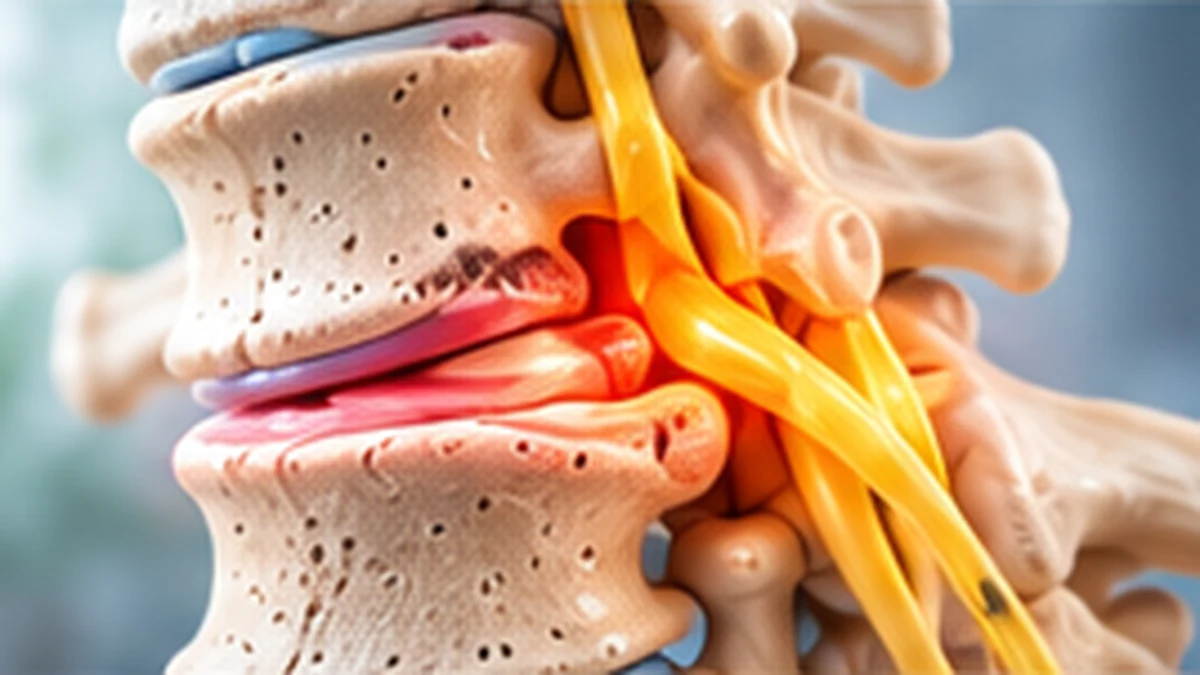
Spondylolisthesis describes one vertebra shifting in relation to the vertebra below it. It may be found during investigation of back pain, leg symptoms or incidentally on imaging. The amount of slippage alone does not determine pain or the need for surgery; symptoms, stability, nerve involvement and daily function all matter.
Key points
- Vertebral slippage can be present without symptoms.
- Assessment considers the cause, degree, stability and any nerve compression.
- Treatment may begin with activity changes, physiotherapy and appropriate symptom control.
- Progressive weakness or bladder and bowel symptoms need urgent assessment.
What does spondylolisthesis mean?
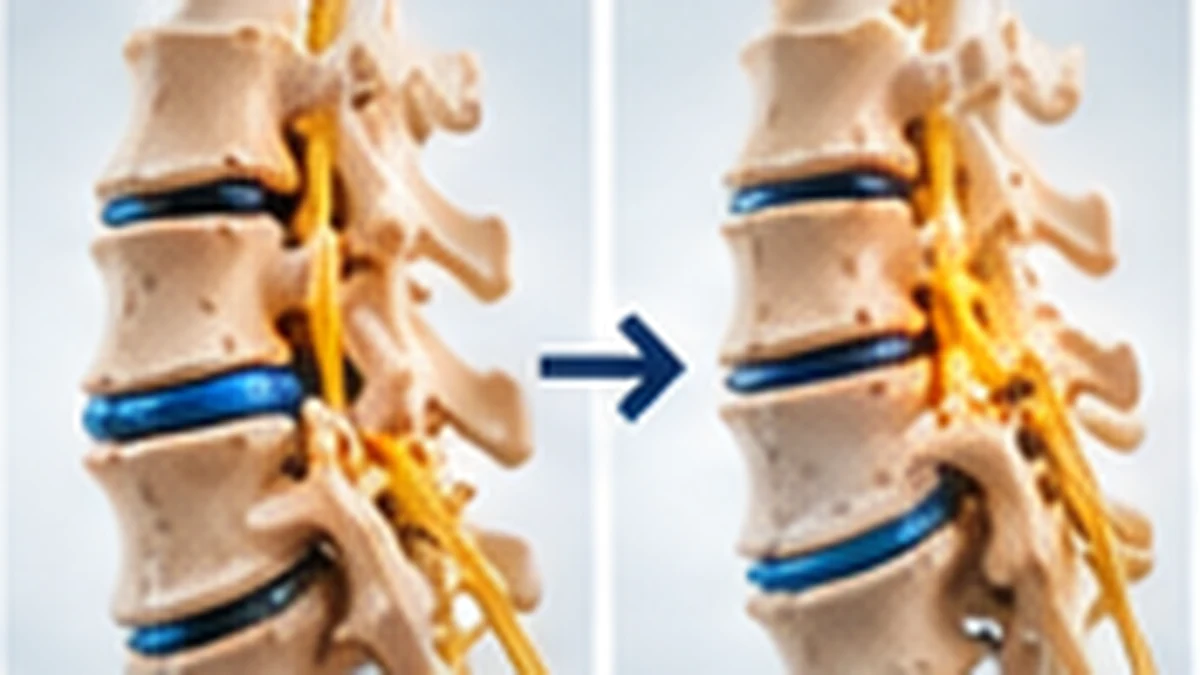
Spondylolisthesis is a term for one vertebra moving forward or backward relative to an adjacent vertebra. In the lower back, it is commonly discussed at L4–L5 or L5–S1. It can develop for different reasons. Degenerative changes may affect the discs and small joints that help stabilise the spine; a stress-related defect in a part of the vertebra can also allow slippage. Less commonly, trauma or other bone conditions may be involved. The term describes a structural relationship, not the severity of symptoms. Some people have slippage on imaging and remain active, while others experience back pain, leg pain or nerve symptoms. The clinical question is whether the finding explains the person’s limitations and whether the segment is stable. A treatment plan should be based on examination and relevant imaging rather than a frightening label alone.
Different causes and types
Degenerative spondylolisthesis is often associated with wear-related changes in discs and facet joints. Isthmic spondylolisthesis is associated with a defect or stress injury in a part of the vertebra called the pars interarticularis. Other categories may follow injury or less common bone disorders. The cause can affect which investigations and treatment options are appropriate. Age, activity history, symptoms and imaging findings help the clinician distinguish between these patterns. It is not possible to determine the cause from the word “slippage” alone. Ask the specialist to explain which type is suspected and what evidence supports that conclusion. This is important because two people with a similar measured slip may have different anatomy, stability and nerve involvement, leading to different recommendations.
Symptoms and functional impact
Symptoms may include lower-back pain, stiffness, discomfort after standing or walking, or pain travelling into the buttock or leg if a nerve is irritated. Some people notice symptoms with extension of the back or after prolonged activity, while others have little pain. Tingling, numbness or weakness may indicate nerve involvement and should be described separately from back pain. The location of symptoms does not always reveal the cause; hip, sacroiliac, peripheral nerve and other spinal conditions can overlap. Explain what activities provoke symptoms, what eases them and whether the pattern is changing. Report any new weakness, falls or changes in bladder or bowel function promptly. Functional details such as walking tolerance, sleep, lifting and work demands help determine how much the condition is affecting daily life.
Does the slip move or remain stable?
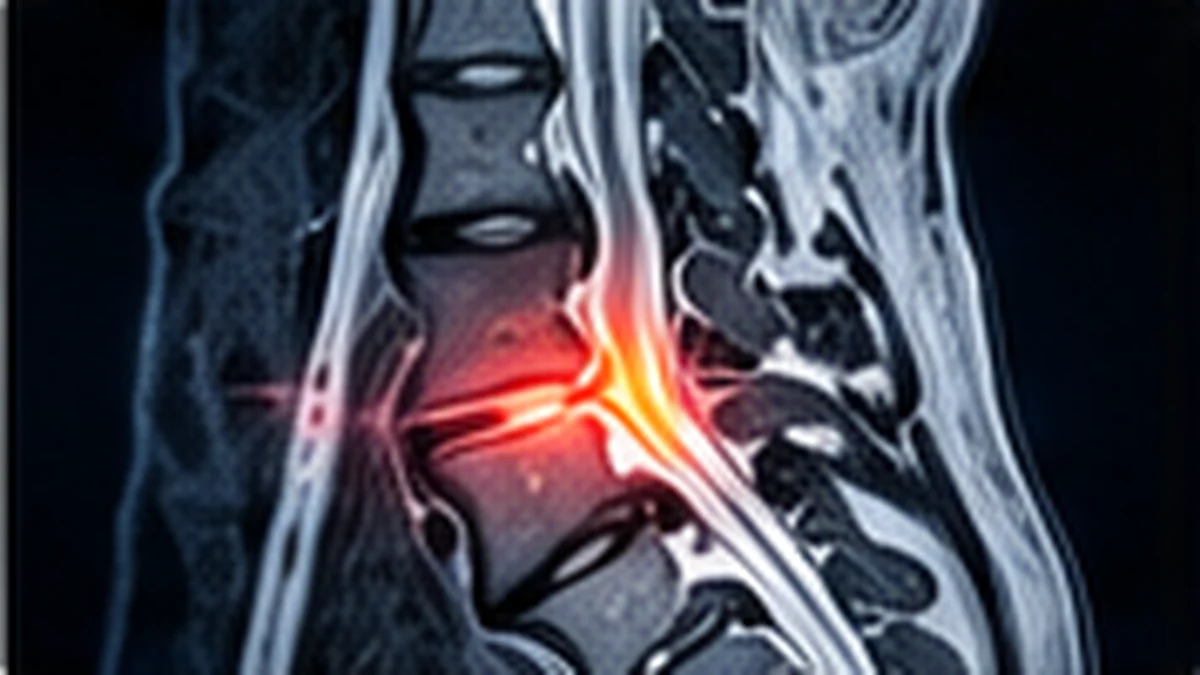
A key part of assessment is whether the affected segment appears stable and whether nerves are compressed. Standing X-rays may provide information about alignment, and in selected cases images taken in different positions may be considered to assess movement. MRI can show discs, nerves and the spinal canal. Each test answers a different question, and not everyone needs every investigation. The measured percentage or grade of slippage is only one factor. A smaller slip with significant nerve compression may cause more symptoms than a larger stable slip that is not affecting nerves. Imaging must be interpreted alongside the history and physical examination. Ask what the results mean for function and treatment, not only what grade appears on the report.
How a specialist evaluates the condition
The clinician reviews symptom onset, previous injuries, activity demands, medical conditions and treatment tried so far. Examination may assess posture, gait, lower-limb strength, sensation, reflexes and movements that reproduce symptoms. The clinician may also check hip function and other possible pain sources. Imaging is selected according to the clinical question: X-rays can show alignment, MRI can assess nerves and soft tissues, and other tests may be useful in selected situations. The goal is to determine whether the slippage is incidental or relevant, whether the segment is stable and whether there is nerve compression. Bring previous reports and images when possible. A careful assessment should explain uncertainty honestly and avoid treating every structural finding as the sole cause of pain.
Non-surgical treatment
When there is no urgent neurological problem, treatment often begins with non-surgical care. Depending on symptoms, this may include education, adjusting activities that reliably aggravate pain, suitable medication and a physiotherapy programme. Rehabilitation may focus on trunk and hip strength, movement control, flexibility where appropriate, balance and gradually rebuilding endurance. There is no universal exercise list for every type of spondylolisthesis; the plan should reflect the examination and symptom response. Some people benefit from modifying repeated heavy lifting or prolonged positions during a flare, but complete inactivity can reduce strength and confidence. Medication decisions should account for other illnesses and possible interactions. If a treatment is not helping, the plan should be reviewed rather than continued indefinitely without measurable goals.
Exercise, work and daily tasks
The purpose of exercise is to support function, not to force the vertebra back into place. A physiotherapist can help choose movements and strengthening that are appropriate for the condition. Begin at a manageable level and increase gradually, paying attention to the trend in symptoms and function. Stop and seek advice if an activity causes new weakness, spreading numbness or a substantial and persistent worsening. At work, alternate positions, use practical lifting strategies and divide demanding tasks where possible. During a flare, temporary adjustment may help; long-term avoidance of all bending or movement can create unnecessary fear. The safest approach is individualised and progressive. Track walking time, task tolerance and recovery after activity so the clinician can see whether capacity is improving.
Braces, medicines and other options
Some patients ask whether a brace, supplement, massage or particular device can correct slippage. Evidence and suitability vary, and no product should be assumed to realign the spine permanently. A clinician may occasionally recommend short-term support for a specific reason, but prolonged use without guidance can be unhelpful. Medicines can reduce symptoms for selected patients but do not correct the underlying structural relationship. Injections may be considered when a specific nerve-related pain pattern is present, although benefits vary and they do not stabilise the segment. Ask what the treatment is intended to achieve, how long it should be tried and how progress will be measured. Be wary of claims that a single exercise or device can permanently reverse all spondylolisthesis.
When surgery may be considered
Surgery may be discussed when symptoms significantly limit daily life despite suitable non-surgical care, when nerve compression matches the examination and imaging, or when instability or neurological changes make surgery appropriate. The operation may involve decompression to create room for nerves, stabilisation with fusion, or another approach depending on the diagnosis. Not every patient with spondylolisthesis needs fusion, and not every slip is best treated with decompression alone. The surgeon should explain the specific problem, alternatives, risks and expected recovery. Important considerations include age, bone health, smoking, diabetes, general fitness and the type of slippage. Surgery aims to improve symptoms and function; it cannot guarantee a completely pain-free back. Ask what outcome is realistic for your situation and which symptoms may not improve.
Risks and recovery considerations
Recovery varies according to the operation performed and the patient’s health and baseline function. Surgery can carry risks including infection, bleeding, nerve injury, dural tear, blood clots, anaesthesia-related complications, failure of fusion where relevant, persistent symptoms and further surgery. The specific risk profile should be discussed with the surgeon. Recovery may involve a staged return to walking, work, lifting and exercise, along with wound care and follow-up. Do not compare your recovery directly with another patient’s experience because procedures and health factors differ. If fusion is planned, bone health and smoking status may be particularly relevant to healing. Ask which activities are allowed, which should be avoided temporarily and what symptoms require urgent contact.
When symptoms need urgent review
Seek emergency assessment for new bladder or bowel dysfunction, difficulty passing urine with back or leg symptoms, numbness around the groin or saddle region, or rapidly worsening leg weakness. Sudden inability to walk safely or severe neurological change also requires prompt assessment. Major trauma, fever with spinal pain, recent serious infection, a history of cancer or unexplained weight loss may need urgent medical review. These features do not automatically mean spondylolisthesis is the cause, but they can signal another serious problem. Do not wait for a routine appointment if symptoms are changing quickly. Record when the change began and explain whether it is progressing.
Questions to take to your spine specialist
For a consultation about spondylolisthesis in Kharghar or Navi Mumbai, bring your X-rays or MRI, reports, medication list and a clear description of functional limitations. Ask what type of slippage is present, whether it appears stable, whether nerves are compressed and whether other conditions could explain the symptoms. Ask what non-surgical treatment should aim to improve and when it should be reviewed. If surgery is proposed, ask why that procedure is recommended, whether stabilisation is needed, what alternatives exist and what recovery involves. The best decision is one made with an understanding of likely benefits, uncertainties and risks. A scan finding should inform the discussion, not replace it.
Frequently asked questions
No. Many cases are managed without surgery, depending on symptoms, stability, nerve involvement and functional impact.
Appropriate exercise is often part of care, but the programme should be individualised. Stop and seek advice if new weakness or significant worsening occurs.
A clinician may combine history and examination with selected imaging, such as standing X-rays or MRI, depending on the clinical question.
No. The operation, if needed, depends on the cause, stability, nerve compression and overall health.
New bladder or bowel dysfunction, saddle numbness or rapidly worsening weakness requires emergency assessment.
Questions about your spine symptoms?
Arrange a consultation to discuss symptoms, examination findings and available treatment options with the clinic team.
Educational information only; this page does not replace an individual medical assessment. Medical information is provided for general education and does not replace an individual clinical assessment.